


-

Add: HeBei ShengShi HongBang Cellulose Technology CO.,LTD.
-

Email
13180486930@163.com -

CONTACT US
+86 13180486930
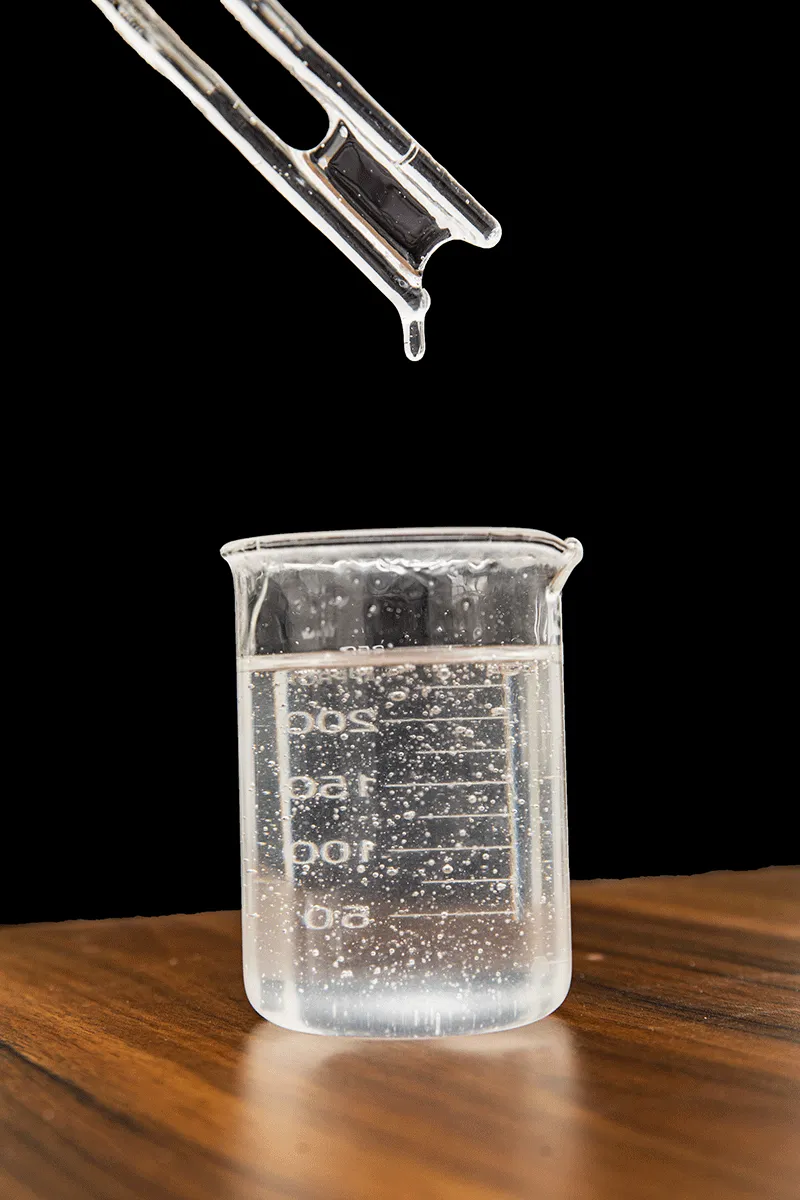
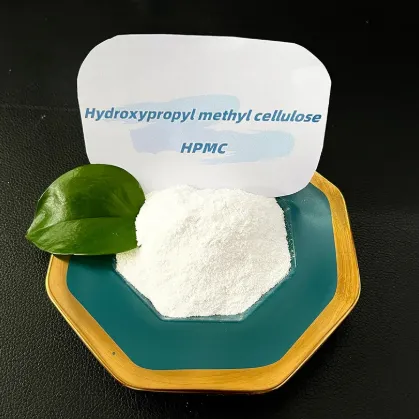



Hypromellose, auch bekannt als HPMC, ist ein vielseitiger Zusatzstoff, der häufig in der Pharma-, Lebensmittel- und Bauindustrie verwendet wird. Insbesondere HPMC mit einer Viskosität von 6 cps (Centipoise) hat spezifische Eigenschaften , die seine Verwendung in verschiedenen Produkten begünstigen. In der pharmazeutischen Industrie wird HPMC 6 cps oft als Vernetzungsmittel in Tabletten und Kapseln eingesetzt. Die spezielle Viskosität sorgt dafür, dass die Tabletten eine stabile Form beibehalten und die Freisetzung des Wirkstoffs kontrolliert erfolgt. Dies ist besonders wichtig, um eine konstante Bioverfügbarkeit der Medikamente zu gewährleisten, was letztendlich die therapeutische Wirksamkeit steigert. Als Expertin auf diesem Gebiet kann ich bestätigen, dass die sichere Anwendung von HPMC in Medikamenten sicherstellt, dass kein unerwünschter Einfluss auf den menschlichen Körper besteht, was auf umfangreiche Testverfahren zurückzuführen ist, die die Verträglichkeit und Unbedenklichkeit bestätigen. Im Lebensmittelsektor fungiert HPMC 6 cps als exzellenter Verdicker und Emulgator. Ideal für die Herstellung von fettarmen Saucen, Dressings und Desserts, trägt es zur Verbesserung der Textur und Stabilität bei, ohne den Geschmack zu beeinträchtigen. Basierend auf meiner Erfahrung in der Lebensmitteltechnologie kann HPMC verwendet werden, um die strukturelle Integrität von Lebensmitteln in verarbeiteten Produkten aufrechtzuerhalten. Es erhöht die Konsistenz von Produkten, was gleichzeitig die Verbrauchererfahrung fördert. Zudem ist es frei von tierischen Produkten und eignet sich somit hervorragend für vegetarische und vegane Lebensmittel. HPMC 6 cps Darüber hinaus ist HPMC 6 cps ein wertvoller Bestandteil in der Bauindustrie. Hier wird es als Bindemittel in Fliesenklebern und Mörteln verwendet. Die spezielle Viskosität von 6 cps sorgt dafür, dass die Mischung ausreichend fließfähig und dennoch stabil genug ist, um eine lange Bearbeitungszeit zu gewährleisten. Dies erleichtert den Bauarbeitern die Anwendung und verbessert die Haftung an verschiedenen Oberflächen. Durch die Anwendung von HPMC wird auch die Rissbildung in Trocknungsphasen reduziert, ein Bedürfnis, das jeder erfahrene Baufachmann bestätigen kann. Ein weiterer bedeutender Nutzen von HPMC 6 cps liegt in seiner Beständigkeit gegenüber verschiedenen pH-Bereichen und Temperaturen, was seine Verwendbarkeit in verschiedenen klimatischen Bedingungen unterstreicht. Diese Eigenschaft hebt seine Verlässlichkeit hervor und schafft Vertrauen in seine multiplen Anwendungen. Zusammenfassend lässt sich sagen, dass HPMC 6 cps aufgrund seiner Vielseitigkeit in verschiedenen Industriezweigen an Popularität gewonnen hat. Seine Fähigkeit, als Bindemittel, Verdicker und stabilisierender Stoff in unterschiedlichen Prozessen zu fungieren, macht ihn zu einer unverzichtbaren Ressource. Die Qualität und Reinheit von HPMC, die durch strenge Standards gesichert werden, verstärken sein Ansehen unter Experten und stellen seine Beständigkeit als zuverlässiger industrieller Zusatzstoff sicher. Die fortwährende Forschung in Bezug auf HPMC 6 cps könnte seine Anwendungen in zukunftsweisenden Technologien erweitern, was es zu einem spannenden Thema für Innovationsforscher macht. Vertrauen Sie auf die Expertise und Erfahrung mit HPMC, einem äußerst anpassungsfähigen und sicheren Inhaltsstoff, der in den nächsten Jahren wohl noch an Bedeutung gewinnen wird.
- 40000tons

Production
- 20+years

Experience
- 5000+㎡

Acreage

-
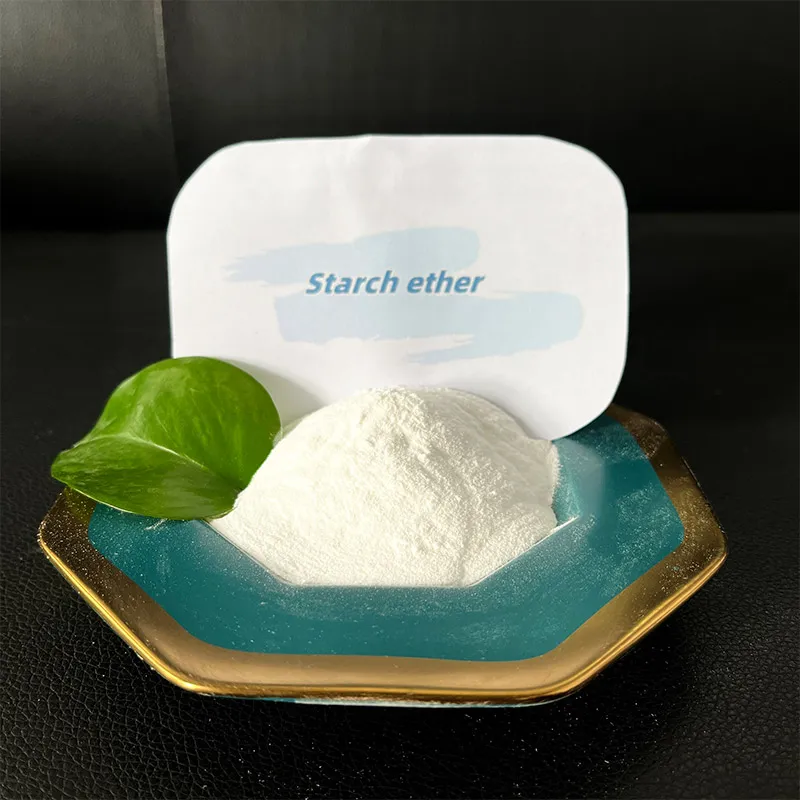
Starch derivatives are a vital component in a myriad of industries, offering versatility and functionality that goes beyond what native starches can provide. These modified starches are tailored to enhance the properties needed for specific applications, thus meeting the stringent requirements of modern production processes. In this exploration of starch derivatives, several notable examples are highlighted, showcasing their diverse applications and benefits. One exemplary starch derivative is ethylated starch , extensively utilized in the paper industry. This starch modification involves the introduction of ethyl groups into the starch molecule, resulting in improved water resistance and adhesive properties. Its significant utility lies in producing high-quality paper products with enhanced printability and durability. The ethylation process not only boosts the hydrophobic characteristics of starch but also provides a smooth paper surface, thus effectively enhancing the ink absorption and reducing feathering during the printing process. Another prominent example is oxidized starch, frequently employed in the textile industry. By subjecting native starch to controlled oxidation, the resulting derivative possesses a lower viscosity and improved film-forming properties. This transformation is particularly pivotal in textile warp sizing, where oxidized starch ensures smooth running of high-speed looms by reducing yarn breakage. Moreover, it lends a softer hand to fabrics, enhancing the overall texture and feel, and is easily washed out of fabrics, ensuring no residue remains after processing. In the realm of food production, maltodextrins serve as a prime example of starch derivatives that have found widespread acceptance. Produced by the partial hydrolysis of starch, maltodextrins are valued for their ability to improve the mouthfeel and solubility of various food products. They function as excellent fat replacers, bulking agents, and carriers for flavors, making them indispensable in the creation of low-calorie foods and beverages. Their easy digestibility and rapid energy supply are particularly beneficial in sports drinks and nutritional supplements, offering consumers the dual benefits of flavor enhancement and nutritional fortification. starch derivatives examples Further advancing into the pharmaceutical and cosmetic industries, hydroxypropyl starch represents a well-utilized derivative known for its film-forming capabilities and enhanced stability. This starch is produced by inserting hydroxypropyl groups into the starch chain, which improves its binding capacity and moisture retention. In pharmaceuticals, it acts as an effective excipient, aiding tablet binding and disintegration. Meanwhile, in cosmetics, hydroxypropyl starch is incorporated into formulations to create protective films on the skin, offering hydration and a silky, smooth feel without clogging pores. Finally, acetylated distarch adipate is spotlighted for its role in frozen foods. This starch derivative involves the introduction of both adipic acid and acetic anhydride, offering superior freeze-thaw stability and maintaining texture integrity upon thawing. It is particularly effective in frozen pie fillings, sauces, and gravies, where maintaining consistency and quality through temperature fluctuations is critical. Each of these starch derivatives exemplifies the intricate modifications that expand the functionality of starch beyond its conventional uses. By doing so, industries can address specific production challenges while delivering products that meet consumer expectations for quality and performance. The adaptability of starch derivatives ensures their continued relevance and importance in an ever-evolving marketplace, highlighting the necessity of ongoing innovation to meet the dynamic demands across various sectors. As research expands, it is expected that new derivatives will emerge, further augmenting the versatility of starch in industrial applications.
-
In the construction industry, particularly in regions with extreme weather conditions, freeze-thaw resistance is a critical consideration for ensuring the durability and longevity of concrete structures. Hydroxypropyl Methyl Cellulose (HPMC) , a versatile material, has gained attention for its remarkable ability to improve the freeze-thaw resistance of concrete. This article explores how hydroxypropyl methyl cellulose contributes to creating more durable concrete that can withstand the damaging effects of freezing and thawing cycles. Hydroxypropyl Methyl Cellulose: A Key Component for Freeze-Thaw Resistance When concrete is exposed to freeze-thaw cycles, water inside the concrete pores expands when it freezes and contracts when it thaws. This continuous process can cause cracking and degradation, leading to premature failure. Hydroxypropyl methyl cellulose acts as a critical additive in mitigating this issue. It significantly improves the workability of concrete and enhances its ability to resist damage caused by freeze-thaw conditions. By incorporating hydroxypropyl methyl cellulose into the concrete mix, it helps retain moisture in the mix during curing, ensuring proper hydration and reducing the formation of microcracks. Furthermore, the cellulose derivative enhances the overall density of the concrete, which helps reduce the permeability of water into the mix. As a result, hydroxypropyl methyl cellulose contributes to a more stable concrete structure, reducing the risks of deterioration from freezing and thawing cycles. The Science Behind Hydroxypropyl Methyl Cellulose and Concrete’s Durability The unique properties of hydroxypropyl methyl cellulose make it a key agent in improving the durability of concrete, particularly when subjected to freeze-thaw conditions. Hydroxypropyl methyl cellulose forms a gel-like substance when mixed with water, which helps retain moisture within the concrete. This increased moisture retention is crucial for hydration, as it ensures that the cement particles have the necessary water to bond properly, leading to a stronger and denser concrete matrix. Additionally, hydroxypropyl methyl cellulose can reduce the formation of capillary pores, which are pathways through which water can infiltrate the concrete. By minimizing these pores, the concrete becomes less susceptible to water ingress, which is one of the main causes of freeze-thaw damage. As a result, concrete with hydroxypropyl methyl cellulose can better resist cracking and other forms of deterioration associated with freeze-thaw cycles, enhancing the overall longevity of the structure. Hydroxypropyl Methyl Cellulose HPMC: Enhancing the Freeze-Thaw Performance of Concrete Mixes In concrete mixes where hydroxypropyl methyl cellulose (HPMC) is used, the product provides several benefits that contribute directly to improved freeze-thaw performance. HPMC acts as a thickening and binding agent, which helps improve the cohesion between the components of the concrete mix. This cohesion is important when the concrete undergoes temperature fluctuations, as it prevents the formation of cracks that could expand with freezing and thawing. Furthermore, HPMC reduces segregation and enhances the workability of the mix, making it easier to achieve a uniform, dense concrete structure. The increased density of the concrete, thanks to hydroxypropyl methyl cellulose , helps reduce the absorption of water and other harmful agents that can weaken the material over time. This makes concrete treated with HPMC particularly valuable in environments where freeze-thaw damage is a common concern, such as in roads, bridges, and outdoor structures. Hydroxypropyl Methyl Cellulose’s Contribution to Concrete Performance in Extreme Climates Concrete subjected to extreme cold and fluctuating temperatures faces significant challenges, including the risk of cracking, spalling, and surface erosion. The inclusion of hydroxypropyl methyl cellulose (HPMC) in concrete helps enhance its performance in these harsh conditions. HPMC not only contributes to freeze-thaw resistance but also improves the overall strength and durability of the concrete. In extreme climates, where concrete is regularly exposed to freezing temperatures followed by thawing, the integrity of the material is crucial. The high water retention properties of hydroxypropyl methyl cellulose ensure that concrete maintains its strength even when subjected to cycles of freezing and thawing. Additionally, hydroxypropyl methyl cellulose can prevent the formation of air pockets within the concrete, which can expand and cause cracking when frozen. This makes concrete with HPMC an ideal solution for environments prone to severe weather fluctuations. The incorporation of hydroxypropyl methyl cellulose (HPMC) into concrete mixes plays a vital role in enhancing freeze-thaw resistance. By improving the workability, moisture retention, and overall cohesion of the mix, HPMC ensures that concrete can withstand the harsh effects of freeze-thaw cycles. Whether for residential buildings, infrastructure projects, or outdoor structures, hydroxypropyl methyl cellulose is an essential additive for creating durable, long-lasting concrete. For those looking to enhance the durability of their concrete and prevent freeze-thaw damage, choosing hydroxypropyl methyl cellulose is a wise decision. Visit our website to explore our range of high-quality HPMC products and improve the performance of your concrete mixes today.
advantages
-

200000 Viscosities
Excellent product
We can produce pure products up to 200,000 viscosities
-

40000 tons
High yield
We don’t stop production all year round, and the annual output can reach 40,000 tons
-

24 hours
Quality service
We provide 24-hours online reception service, welcome to consult at any time
———— Inquiry Form
Schedule A services
-
 epekto_ng_polypropylene_fiber_sa_kongkreto
Oct . 25, 2025
In the ever-evolving landscape of manufacturing, rubber powder has emerged as a vital component, esp -
 retardador_de_yeso
Oct . 25, 2025
The Role of Hydroxypropyl Starch Phosphate in Hair Care Products In recent years, the beauty and per -
 hydroxypropyl_methylcellulose_powder
Oct . 25, 2025
Hydroxypropyl methylcellulose (HPMC) and carboxymethyl cellulose (CMC) are two of the most widely us


